



Seasonal Affective Disorder (SAD) vs. Holiday Blues: There’s a Difference
- December 16, 2025
Seasonal Affective Disorder vs Holiday Blues | Natividad
Are you SAD, or are you sad?
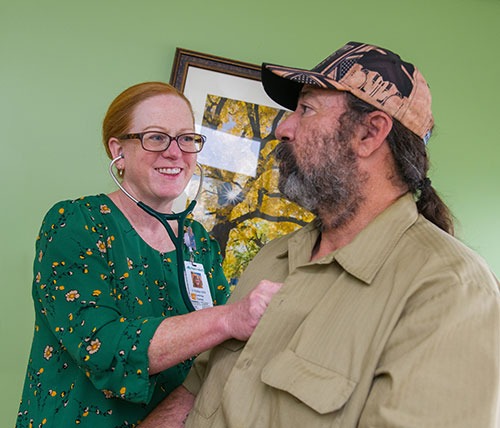
“As the days grow shorter and the holiday season approaches, many people experience changes in their mood and energy levels,” said Dr. Adelheid Ebenhoech, a primary care provider at Natividad Medical Group. “While it’s common to hear these feelings lumped together, it’s important to understand the difference between Seasonal Affective Disorder (SAD) and the holiday blues — because they’re not the same thing.”
What Are the Holiday Blues?
Holiday blues are feelings of sadness or anxiety brought on by stress at certain times of the year, such as shopping, social events, debt and other pressures. During the holidays, you may feel lonely, sad, angry, and experience poor sleep, headaches, tension and fatigue. The good news? These feelings are typically temporary and often resolve once the holiday season passes, and routines return to normal.
Understanding Seasonal Affective Disorder
Seasonal Affective Disorder (SAD) is a type of depression that’s related to changes in seasons, beginning and ending at about the same time every year. In most cases, SAD symptoms start in late fall or early winter and go away during the spring and summer. SAD symptoms last about four to five months out of the year.
Winter-pattern SAD symptoms can include persistent feelings of sadness, low energy, oversleeping, carbohydrate cravings, weight gain and social withdrawal. The reduced level of sunlight in fall and winter may disrupt your body’s internal clock and lead to feelings of depression, affecting serotonin and melatonin levels.
The Key Difference
Here’s what’s crucial to understand: The depression associated with SAD is related to changes in daylight hours, not the calendar. While holiday stress affects your mood temporarily, SAD is a diagnosable medical condition related to fewer hours of sunlight during winter months.
Light Therapy: An Effective Treatment for SAD
Since the 1980s, light therapy has been a mainstay for treating winter-pattern SAD. Light therapy is considered the best treatment for SAD, helping to set your body’s internal clock and balancing. The treatment involves sitting near a specialized light box that produces bright light — typically 10,000 lux — for about 30 to 45 minutes each day, usually first thing in the morning. For light therapy to work effectively, it must be used regularly throughout the fall and winter months.
When to Seek Help
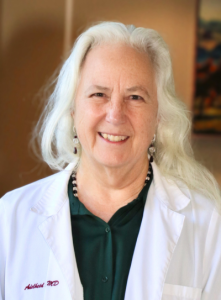
“If you’re experiencing persistent feelings of sadness, changes in sleep or appetite, or low energy that lasts for weeks, it’s time to talk with your primary care provider,” Dr. Ebenhoech said. “We can help determine whether you’re experiencing SAD or another condition and recommend appropriate treatment options.”
Taking that first step toward understanding your mental health is an important part of feeling better. If you don’t currently have a primary care provider, Natividad Medical Group is accepting new patients. Plus, many of our staff and providers are bilingual!
- Natividad Medical Group Sanborn (831) 751-6200
- Natividad Medical Group Prunedale (831) 663-3926
- Natividad Medical Group at Natividad (831) 759-0674